
Unveiling the psychology behind gambling habits

The allure of gambling: Understanding initial attraction
The psychological pull toward gambling begins with its inherent excitement and the promise of potential rewards. Many individuals are drawn to the thrill of risking money for the chance of winning big, which can create a rush akin to that experienced in extreme sports. This initial attraction often stems from a desire for escapism, as people seek to break free from their everyday stressors and responsibilities. Gambling environments, whether physical casinos or online platforms, often feature products like neo spin that are strategically designed to amplify this excitement. The colorful lights, captivating sounds, and immersive atmosphere serve to capture the attention of potential gamblers, creating an enticing experience that can be hard to resist.
The perception of gambling as a quick route to financial gain plays a significant role in attracting individuals, particularly those who may be struggling financially. Narratives often portrayed in popular culture, where protagonists win substantial amounts of money with seemingly little effort, foster a belief that success in gambling is not only possible but likely. This can lead to an overestimation of one’s chances of winning, reinforcing the desire to participate despite the inherent risks involved. Such misconceptions can set the stage for individuals to chase after quick riches, often overlooking the reality of long-term losses.
Social factors also contribute to the initial attraction to gambling. Many people are introduced to gambling through peer groups or family traditions, where it is often framed as a form of entertainment. Social settings, such as game nights with friends or outings to casinos, create an environment where gambling is normalized and even celebrated. This collective experience can lead to an increased acceptance of gambling as a common activity, encouraging individuals to partake in it as a means of bonding and having fun with others. The communal aspect of gambling can further enhance the thrill, as shared experiences often magnify the excitement and engagement.
The role of cognitive biases in gambling behavior
Cognitive biases significantly influence the gambling habits of individuals, often leading them to make irrational decisions. One such bias is the illusion of control, where gamblers mistakenly believe they can influence the outcome of random events. This can manifest in various forms, such as the tendency to prefer certain games or strategies, convinced that skill can enhance their chances of winning. For instance, a player might feel that their lucky charm or a specific betting strategy will lead to success, despite the evidence suggesting that outcomes in gambling are fundamentally random.
Another prevalent cognitive bias is the gambler’s fallacy, which is the belief that past events can influence future outcomes in a random game. Individuals may assume that after a series of losses, a win is “due” or likely to occur. This misconception can lead to continued gambling even after a string of losses, as individuals chase their perceived chances of recovery. These biases create a cycle of behavior that can trap individuals in patterns of gambling, often exacerbating their financial and emotional struggles. The inability to recognize these cognitive distortions can lead to repeated mistakes and a deepening sense of despair.

Lastly, the availability heuristic plays a crucial role in gambling behavior; this psychological mechanism causes gamblers to rely on immediate examples that come to mind when evaluating their odds. For instance, hearing about someone winning a substantial jackpot can skew an individual’s perception of their own likelihood of winning, prompting them to gamble more frequently. This distorted view of probability can lead to an overestimation of one’s success rate, reinforcing a continuous engagement with gambling and prioritizing it over more rational, measured approaches to financial decision-making. The allure of potential success can blind individuals to the risks involved, leading to ongoing participation in gambling activities.
The emotional impact of gambling: A double-edged sword
Gambling is a unique experience that evokes a wide array of emotions. Initially, excitement and euphoria dominate as individuals engage in the thrill of wagering. Winning can lead to feelings of joy, confidence, and empowerment, creating a positive feedback loop that encourages further gambling. This emotional high is often sought after, as it provides a temporary escape from the mundane realities of life, prompting individuals to chase these feelings through continued participation in gambling activities. The dopamine release associated with wins can further entrench this behavior, creating a compelling desire to repeat the experience.
However, the emotional landscape can quickly shift, leading to feelings of anxiety, anger, and despair, particularly in the face of losses. The stress associated with financial loss can take a toll on mental health, contributing to conditions such as depression and anxiety disorders, and can create feelings of guilt or shame. The contrast between the highs of winning and the lows of losing can be stark, leading to a cycle of emotional turbulence that individuals may struggle to navigate. This duality exemplifies how gambling can be both exhilarating and damaging, often leaving individuals caught in a cycle of hope and disappointment.
For many, the emotional consequences of gambling also extend to their interpersonal relationships. As individuals become more engrossed in gambling, they may neglect familial and social obligations, leading to strained relationships and isolation. The secrecy often associated with gambling can foster distrust among partners and family members, creating additional emotional burdens. Understanding the emotional impact of gambling is crucial for individuals looking to develop healthier habits and establish balance in their lives. The interplay between personal enjoyment and the adverse effects on relationships can lead to a profound sense of regret and loss.
Strategies for managing gambling habits
Recognizing the psychological factors that drive gambling behaviors is key to developing effective strategies for management. One approach is setting limits on time and money spent on gambling activities. Individuals can establish personal budgets to prevent excessive spending and designate specific times for gambling to curb impulsivity. Creating a structured plan helps individuals maintain control over their gambling habits and reduces the likelihood of encountering significant financial distress. This proactive approach allows for a healthier relationship with gambling, where enjoyment does not come at an overwhelming cost.
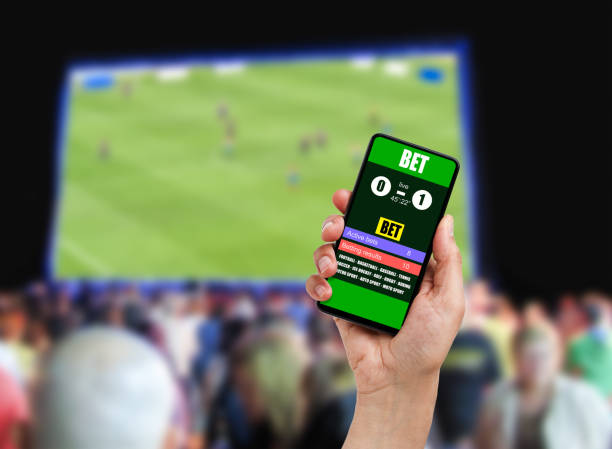
Additionally, seeking support from friends, family, or professional counseling can be beneficial. Sharing experiences and discussing feelings related to gambling can alleviate the emotional weight carried by individuals. Support groups provide a platform for individuals to connect with others facing similar challenges, fostering understanding and accountability. These connections can play an essential role in reinforcing positive behavioral changes and reducing feelings of isolation. Engaging with others who share similar experiences can create a sense of community and shared responsibility, which can be incredibly empowering.
Mindfulness and cognitive behavioral therapy (CBT) techniques are also effective in managing gambling impulses. Mindfulness encourages individuals to stay present and develop awareness of their thoughts and feelings, which can help in recognizing triggers associated with gambling urges. Meanwhile, CBT focuses on identifying and restructuring negative thought patterns, helping individuals develop healthier coping mechanisms and strategies for resisting the urge to gamble. These approaches empower individuals to reclaim control over their behaviors and make informed decisions related to gambling, ultimately fostering a healthier mindset.
Exploring resources for responsible gambling
With the rise of gambling in various forms, including online platforms and mobile applications, finding resources for responsible gambling has become increasingly relevant. Numerous organizations provide information, support, and tools to help individuals navigate their gambling experiences safely. These resources often include educational materials about the risks of gambling, guidelines for responsible practices, and access to support networks for those seeking help with their gambling habits. The availability of such resources is vital in promoting awareness and encouraging responsible gambling behaviors.
One effective tool offered by many gambling organizations is self-exclusion programs, which allow individuals to voluntarily restrict their access to gambling venues or online platforms. This proactive approach can serve as a crucial step for those recognizing the need for a break or a permanent cessation of their gambling activities. Furthermore, these organizations emphasize the importance of self-awareness and the need to acknowledge when gambling is no longer a source of enjoyment but a source of distress. Taking such steps can help individuals regain control over their lives and finances.
Overall, the landscape of gambling resources is continuously evolving to meet the needs of individuals and communities. Online forums, hotlines, and counseling services are more accessible than ever, providing a wealth of materials designed to empower individuals in making informed decisions about their gambling habits. Embracing these resources is vital for fostering a culture of responsible gambling, promoting mental well-being, and ensuring that the pursuit of entertainment does not come at the cost of one’s mental health or financial stability. By leveraging available support systems, individuals can work towards healthier gambling practices that contribute to long-term well-being.