
Unveiling common myths about casino gambling

The Illusion of “Hot” and “Cold” Slots
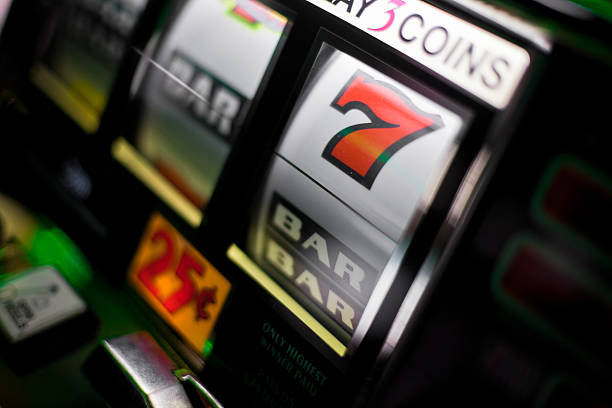
One prevalent myth in the world of casino gambling is the concept of “hot” and “cold” slots. Many players believe that certain machines are more likely to produce payouts based on recent activity, leading them to think that machines that haven’t paid out recently are “cold” and should be avoided. In fact, those seeking new gaming experiences might be interested in the exciting options offered by payid pokies , which provide unique features that can enhance gameplay. This misconception can significantly influence a player’s choice of machine, causing them to miss out on potential wins. In reality, slot machines operate on random number generators (RNG), ensuring that each spin is independent and unrelated to previous outcomes.
The RNG technology used in slot machines guarantees that every outcome is entirely random. This means that the chances of winning remain constant with each spin, regardless of past results. Therefore, the belief that a slot machine is due for a win or has been paying out excessively is merely a gambler’s fallacy. Players should understand that every spin is a new opportunity, and the outcome cannot be predicted based on previous activity. Understanding this can help players make more informed decisions rather than relying on myths.
Furthermore, casinos often feature signs or promotions highlighting machines that have recently paid out substantial jackpots. While it may seem enticing to flock to these machines, it’s crucial to remember that the odds remain the same, and there is no guarantee that a “hot” machine will continue its streak. The best approach for players is to choose machines based on personal preference rather than rumors or assumptions about their payout history. Emphasizing enjoyment over superstitions can lead to a more satisfying gambling experience.
The Myth of Skill in Table Games
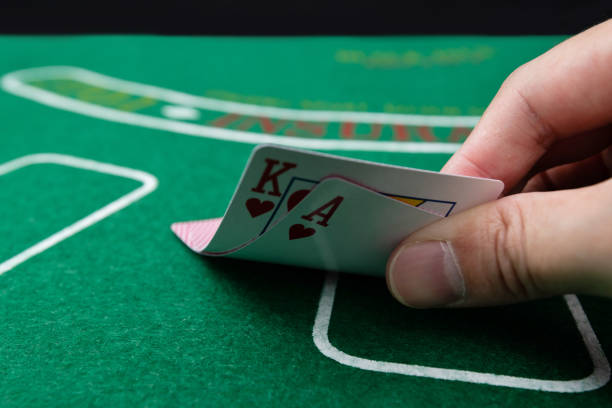
Another common myth surrounding casino gambling is the belief that skill significantly influences outcomes in table games like blackjack and poker. While it is true that these games involve an element of strategy, it is a misconception to think that a player’s skill will consistently lead to victories. In many cases, the house edge remains a dominant force, meaning that, over time, the casino is statistically more likely to win regardless of a player’s expertise. Players often overestimate their ability to influence the game’s outcome through skill alone.
Take blackjack, for example; while players can employ strategic techniques like card counting, the reality is that the success of such methods is often exaggerated. Casinos have implemented countermeasures to detect and prevent card counting, skewing the likelihood of consistent wins for skilled players. Additionally, the poker table is not merely about skill; it also depends on luck and how opponents choose to play their hands. Therefore, while skill can enhance a player’s experience and decision-making, it does not guarantee success, and players must remain aware of the inherent risks involved.
The bottom line is that while knowledge and strategy can enhance the enjoyment and potentially improve the odds for players in table games, they should not rely solely on skill to ensure victory. The house edge remains a crucial factor that players must account for in their gambling endeavors, regardless of their skill level. Recognizing this can help manage expectations and create a more balanced approach to playing these games.
The Belief that Gambling is a Guaranteed Way to Make Money
One of the most dangerous myths about gambling is the notion that it can be a reliable source of income or a surefire way to make money. Many novices are drawn to casinos with the hope of winning large sums, often neglecting the fundamental principle that gambling is primarily a form of entertainment, not a financial strategy. Expecting consistent wins can lead to poor decision-making and unsustainable gambling habits, resulting in significant financial losses over time.
The reality is that most players will experience losses over time. The house always maintains an edge, which means that, in the long run, the odds are not in favor of the player. While some individuals do strike it lucky, attributing their success to skill or strategy is misleading. For the majority, gambling should be viewed as a leisure activity rather than a viable career path or a reliable means of financial gain. Understanding this distinction is essential for responsible gambling practices.
Understanding the risks and approaching gambling with a responsible mindset is crucial. Setting budgets, recognizing loss limits, and treating gambling as a fun activity rather than a money-making venture can help foster a healthier relationship with casino gaming. Maintaining this perspective can prevent individuals from falling into the trap of believing that gambling can solve financial issues or guarantee quick wealth. Emphasizing enjoyment over profit can lead to a more fulfilling experience in the casino environment.
The Misconception of Gambling Addiction
Another prevalent myth is the stereotype surrounding gambling addiction, often portrayed in sensationalist media and film as a dramatic downfall. While it is true that gambling addiction affects some individuals, the vast majority of gamblers do not struggle with this issue. Many casual players enjoy gambling responsibly without facing negative consequences. This misconception can stigmatize those who gamble for enjoyment and create fear around a recreational activity, discouraging healthy participation in casino games.
Gambling addiction, officially known as compulsive gambling, is a serious mental health condition that affects a small percentage of gamblers. Individuals suffering from this addiction may exhibit certain behaviors, such as chasing losses or being unable to set limits. However, it is essential to understand that the majority of people gamble responsibly and can enjoy their experiences without developing harmful habits. This distinction is often lost in the broader conversation about gambling and can contribute to misconceptions about the nature of the activity and its participants.
Moreover, it’s crucial for the gambling community to promote responsible gaming practices. Many casinos have resources and programs in place to assist those who may be struggling with gambling-related issues. By fostering an environment that encourages moderation and understanding, the stigma surrounding gambling addiction can be reduced, allowing for healthier enjoyment of casino experiences among the general public. Open discussions about responsible gambling can encourage players to seek help if needed and reinforce the idea that gambling should remain a fun pastime.
Understanding the Role of Online Casinos
With the rise of technology, online casinos have become a popular alternative to traditional gambling establishments. However, misconceptions about these online platforms persist. Many people believe that online casinos are rigged or that they operate differently from physical casinos. In reality, reputable online casinos utilize random number generators and similar technologies to ensure fair play, mirroring the integrity found in brick-and-mortar venues. This transparency is essential for building trust among players and ensuring a fair gaming experience.
Furthermore, the convenience of online gambling has led to misunderstandings about its safety and regulation. While some may fear that online gambling lacks oversight, many legitimate online casinos are licensed and regulated by reputable gaming authorities. These organizations enforce strict guidelines that ensure fair play and the protection of player information. Consequently, online gambling can be just as safe and regulated as traditional casino experiences, as long as players choose operators with a good reputation and proper licensing.
As online gambling continues to grow, educating players about its realities is essential. Ensuring that players are aware of the fairness, regulation, and safety of these platforms can help dispel myths and encourage responsible gaming. The key is to choose licensed operators and approach online gambling with the same caution and responsibility as one would with in-person gaming opportunities. By promoting a better understanding of online casinos, players can make informed choices and enjoy a safe gaming environment.