
Exploring the impact of luck versus skill in casinos

The Nature of Chance in Gambling
Luck is often viewed as a fundamental element in gambling, significantly impacting outcomes across various games. In games such as slot machines or roulette, players find that their success hinges almost entirely on chance. For example, when a player places their bets on a roulette wheel, the eventual outcome relies solely on where the ball lands. This unpredictability draws many enthusiasts to gaming, as the excitement of winning without any prior knowledge of the result is unparalleled, and some turn to casino online nz platforms to enhance their experience. The thrill of these chance-based games creates a unique atmosphere that keeps players engaged and returning for more.
Moreover, the concept of luck extends beyond mere random outcomes; it encompasses streaks of good fortune that can elevate a gambler’s spirits. Experiencing a series of wins can lead players to feel that luck is favoring them, prompting them to continue gambling in hopes of prolonging their winning streak. This perception can be psychologically compelling, amplifying the allure of casinos and enhancing the overall gaming experience. Consequently, luck is not just a factor in gambling; it becomes a narrative thread that captures the essence of excitement for many individuals.
This relationship between luck and outcome also prompts critical discussions about accountability and the nature of gambling itself. Some players may attribute their losses to bad luck, reinforcing a mindset that can lead to irresponsible gambling behavior. It is essential to recognize that luck is an uncontrollable factor in these scenarios. This misconception that one can frequently ‘get lucky’ can lead individuals to overlook the importance of responsible gaming practices. Thus, while luck undeniably plays a significant role in casino games, understanding its limitations is vital for maintaining a healthy relationship with gambling.
The Role of Skill in Casino Games
In contrast to games that are purely chance-based, many casino games require skill and strategic thinking. Titles like poker and blackjack illustrate how players can influence their outcomes through intelligent decision-making. A skilled poker player can read their opponents, calculate odds, and manage their betting strategy effectively, which can lead to consistent success over time. This distinction highlights that in certain games, success is less about luck and more about the player’s competence and experience, making it an intriguing aspect of the casino landscape.
Furthermore, understanding the mechanics of skill-based games enhances the overall experience for players. In blackjack, the choices regarding whether to hit, stand, double down, or split can significantly impact the game’s outcome. Each decision made by the player carries weight and importance, allowing them to apply their knowledge and experience actively. The satisfaction derived from making a well-informed decision can be more fulfilling than the fleeting thrill of a lucky break, emphasizing the crucial role of skill in navigating the complexities of casino games.

Additionally, enhancing one’s skills through practice offers better long-term outcomes. While luck can influence short-term results, a player’s long-term success often depends on their strategic understanding and skill level. This is particularly evident in tournaments where players compete against each other; here, skill takes precedence over luck. Ultimately, skill introduces an element of control in an otherwise chance-driven environment, highlighting its significant impact in shaping player experiences in various casino contexts.
The Psychological Aspect of Luck and Skill
The dynamics between luck and skill in gambling extend beyond gameplay to how players perceive their experiences psychologically. Many individuals tend to attribute their wins to their skill and their losses to bad luck, creating cognitive biases that can distort their understanding of outcomes. This leads to gambling fallacies, where players mistakenly believe that past outcomes influence future results in games of chance. Acknowledging and addressing these cognitive biases is essential for promoting responsible gambling and fostering a more accurate understanding of the gaming experience.
Moreover, the psychology of gambling reveals how expectations based on luck can significantly influence player behavior. When individuals believe they are on a ‘lucky streak,’ they may be inclined to take greater risks and wager larger amounts, often neglecting the odds involved. This psychological vulnerability can lead to substantial financial losses, highlighting the importance of self-awareness in gaming. By understanding their predisposition towards luck, players can approach gambling with a more informed and cautious perspective, ultimately leading to healthier gaming habits.
Lastly, casinos often capitalize on the psychological allure of luck to enhance the player experience. The design of games and the overall environment are crafted to evoke feelings of excitement and the potential for winning. The bright lights, enticing sounds, and celebratory atmosphere contribute to the perception that luck heavily factors into the gambling experience. While these elements heighten enjoyment, they can also foster a deceptive sense of invincibility that may lead to irresponsible gambling practices. Awareness of these psychological dynamics is crucial for establishing a balanced and healthy relationship with gambling.
The Impact on Game Design and Casino Strategy
The distinction between luck and skill significantly impacts how players approach games and how developers design them. Game designers often strike a balance between these two elements to ensure player engagement and satisfaction. For instance, games that are heavily reliant on luck may feature vibrant graphics and user-friendly interfaces to attract casual players. In contrast, skill-based games might offer deeper strategies and challenges, catering to players seeking a cerebral experience. This careful balance allows casinos to appeal to a wide audience, ensuring that both thrill-seekers and strategists find something to enjoy.
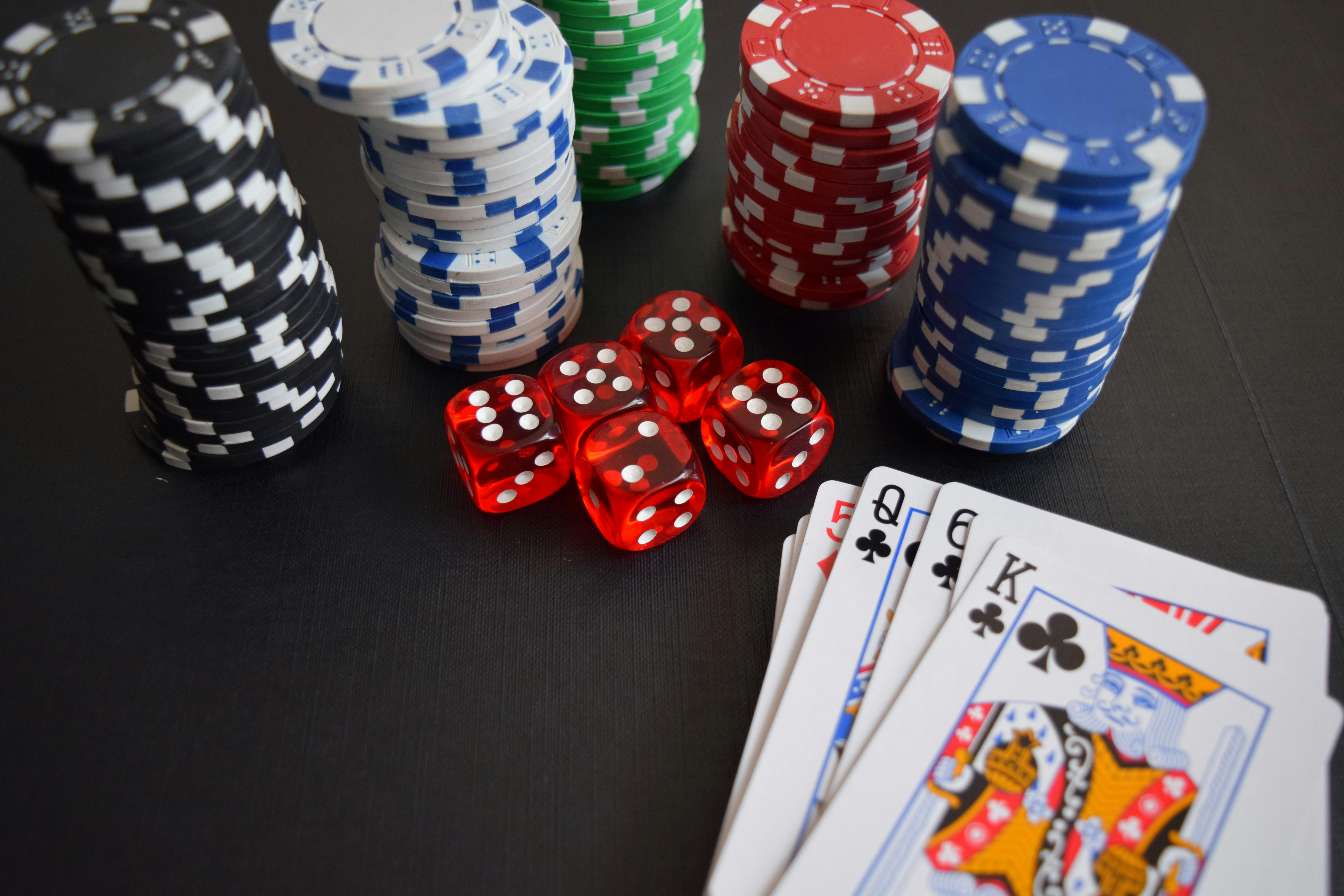
Moreover, the casino’s business model is heavily influenced by the nature of luck and skill present in their games. Skill-based games can cultivate a dedicated player base willing to return consistently, while luck-based games can generate immediate excitement and volume as players can participate without extensive knowledge or experience. Understanding this interplay allows casinos to optimize their offerings, ensuring they maintain a competitive edge in a rapidly evolving market. By catering to diverse player preferences, casinos can effectively attract and retain their clientele.
Additionally, marketing strategies often exploit the luck versus skill dynamic to draw in players. Promotional campaigns may emphasize the potential for significant wins and extraordinary luck, enticing players to try their hand at games. Conversely, there are also campaigns that highlight the intellectual challenge of mastering skill-based games, appealing to those who enjoy testing their abilities. Striking a balance in marketing approaches ensures that casinos can engage a broad spectrum of potential players, regardless of their motivations for gambling.
Conclusion and Final Thoughts
The ongoing debate surrounding luck versus skill in casinos underscores the intricate dynamics that shape player experiences. While luck serves as a thrilling component that can lead to unexpected triumphs, skill offers a more sustainable path to success in specific gaming contexts. Understanding both factors allows players to approach gambling with a well-rounded perspective, enhancing their enjoyment while minimizing the risks associated with irresponsible gambling practices.
As the landscape of casinos continues to evolve through technology and innovation, the interplay between luck and skill may also shift. The rise of online gaming and new game designs is redefining how players engage with both components. By staying informed and adaptable, players can cultivate a more enriching gaming experience, maximizing their enjoyment while safeguarding their financial well-being.
For those interested in delving deeper into the complexities of luck and skill within the casino realm, various educational resources and platforms are available to enhance understanding and promote responsible gaming. Embracing this knowledge empowers players to make informed decisions, ultimately leading to a more enjoyable and safe gambling experience that acknowledges the essential roles of both luck and skill.