
Exploring cultural differences in casino experiences around the world

Exploring cultural differences in casino experiences around the world
The Origins of Casino Culture
The history of casinos can be traced back to ancient civilizations, with gambling being a part of various cultures across the globe. In Italy, for example, the first official gambling house, known as Ridotto, was established in 1638 in Venice. This marked the beginning of regulated gambling in Europe, providing a legal framework for casino operations. In contrast, ancient China also had its own games of chance, such as Keno, demonstrating how diverse gambling practices emerged independently in different cultures. Today, enthusiasts can find options at a real money casino, which showcases this evolution through modern gaming platforms.

In the United States, the cultural significance of casinos took off during the 20th century, particularly with the establishment of Las Vegas as a gambling mecca. Las Vegas blended entertainment with gambling, creating a unique experience that drew millions of visitors. The city’s vibrant nightlife, extravagant shows, and themed hotels transformed the casino experience into an all-encompassing resort. This cultural evolution showcases how local customs and tourism can shape the concept of casinos in various societies.
Moreover, the rise of online casinos has further diversified gambling experiences. In countries like the United Kingdom, online gaming is highly regulated, allowing for safe and responsible gambling. This shift towards digital platforms highlights cultural attitudes toward technology and leisure, indicating a growing acceptance of gambling as a form of entertainment. Ultimately, the origins and evolution of casino culture illustrate the rich tapestry of traditions and practices that differ from region to region.
Cultural Attitudes Toward Gambling
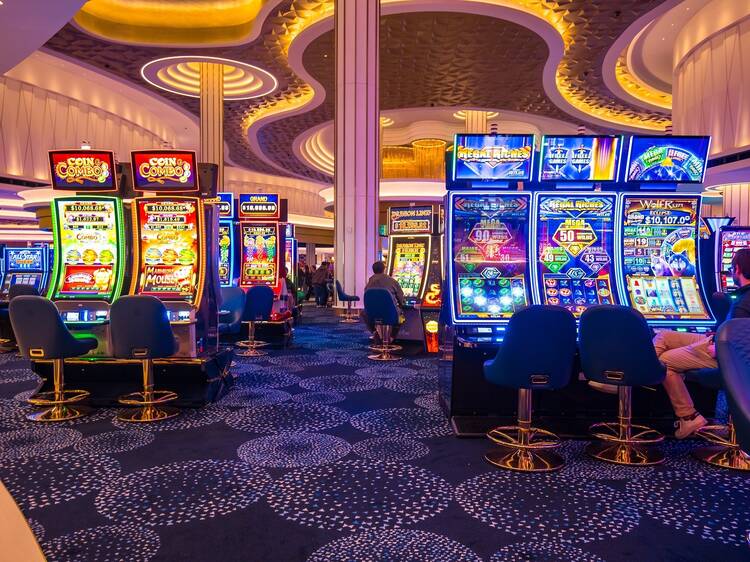
Cultural attitudes toward gambling vary widely, impacting how casinos operate and are perceived. In many Western countries, gambling is often seen as a legitimate form of entertainment. This acceptance is reflected in the marketing strategies employed by casinos, which emphasize glamour and excitement. In places like Las Vegas, the casino experience is intertwined with luxury and entertainment, catering to a demographic that views gambling as a social activity.
Conversely, in countries such as Japan, gambling is more restricted and often associated with negative connotations. Traditional values emphasize restraint and discipline, leading to strict regulations on gambling activities. Pachinko parlors, while popular, exist in a gray legal area and are often viewed with skepticism. This cultural perspective shapes the gaming experience, resulting in more reserved environments compared to the vibrant and chaotic atmospheres of Western casinos.
Understanding these cultural nuances is crucial for casinos aiming to attract an international clientele. For example, casinos in Asia might focus on hospitality and service, creating an immersive experience that aligns with local customs. Meanwhile, casinos in Western countries may prioritize entertainment and spectacle. These differing approaches underscore the importance of cultural sensitivity in shaping casino experiences worldwide.
The Role of Technology in Casino Experiences
Technology has revolutionized the casino industry, bringing innovative changes that cater to diverse cultural preferences. In the realm of online gambling, virtual reality (VR) and augmented reality (AR) technologies have begun to reshape how players engage with games. Casinos are now incorporating these technologies to create immersive experiences that mimic the excitement of physical casinos, allowing users from various cultural backgrounds to enjoy gambling from the comfort of their homes.
Additionally, mobile gaming has gained immense popularity, particularly in regions where smartphone penetration is high. Countries like Sweden and Canada have embraced mobile gambling, leading to an increase in casual gaming. This trend reflects a shift in cultural attitudes toward convenience and accessibility, as players can engage in their favorite games anytime and anywhere. The mobile casino experience caters to a younger demographic, further highlighting the intersection of technology and culture.
Moreover, blockchain technology and cryptocurrencies are emerging as influential factors in the casino industry. Countries that are more tech-savvy and open to digital currencies, such as Estonia and Malta, are paving the way for cryptocurrency-based casinos. This reflects a cultural shift toward decentralization and transparency in financial transactions, allowing players to enjoy anonymity and security while gambling. The integration of technology into the casino experience illustrates how cultural attitudes can evolve alongside technological advancements.
Diverse Gambling Practices Worldwide
Across the globe, different regions showcase unique gambling practices, each influenced by their cultural heritage. In Australia, for example, the popularity of poker machines, or “pokies,” has become a cultural phenomenon. These machines are prevalent in pubs and clubs, and they represent a social pastime for many Australians. This accessibility reflects a more relaxed attitude toward gambling, where it is integrated into social gatherings and celebrations.
In contrast, traditional gaming practices are prominent in countries like India, where games like Teen Patti and Rummy have deep-rooted cultural significance. These games are often played during festivals and family gatherings, emphasizing social interaction rather than profit. The incorporation of gambling into social customs illustrates how cultural context shapes the way gambling is experienced, moving beyond mere entertainment into a communal activity.
Similarly, in the Middle East, gambling is often intertwined with religion and societal norms. Countries like the United Arab Emirates have strict laws against gambling, reflecting cultural values that prioritize restraint. However, with the rise of tourism, some areas have begun to explore integrated resorts that offer limited gambling options, showcasing a delicate balance between tradition and modernity. These diverse practices highlight the complexity of gambling experiences shaped by cultural and societal influences.
Future Trends in Global Casino Experiences
The future of casinos is poised for transformation, influenced by emerging trends that highlight cultural differences and technological advancements. One significant trend is the rise of experiential gambling, where casinos focus on creating unique experiences rather than just offering games. This includes themed events, culinary experiences, and live entertainment, catering to a broader audience that seeks more than just traditional gambling.
Additionally, the concept of social gambling is gaining traction, particularly in younger demographics. Players are increasingly looking for social interactions within gaming experiences, leading to the development of platforms that allow for multiplayer games and interactive experiences. This trend reflects cultural shifts toward community and collaboration, where the experience is as important as the outcome.
Furthermore, sustainability is becoming a critical consideration for casinos worldwide. As environmental awareness grows, many establishments are adopting eco-friendly practices, such as energy-efficient designs and waste reduction strategies. This cultural shift towards responsibility is not only appealing to environmentally conscious consumers but also serves as a model for future generations in the gambling industry. By embracing these trends, casinos can create inclusive and sustainable experiences that resonate with diverse audiences across the globe.
Conclusion
Exploring the cultural differences in casino experiences reveals a rich tapestry of traditions, practices, and attitudes that shape how gambling is perceived worldwide. From the vibrant atmosphere of Las Vegas to the more reserved gambling practices in Japan, each culture brings a unique perspective to the casino experience. Understanding these differences is essential for casinos to create tailored experiences that resonate with diverse audiences.
As technology continues to advance, the future of casinos will likely reflect these cultural nuances. The integration of innovative gaming experiences, social interactions, and sustainability will redefine what it means to gamble in a global context. Ultimately, the casino industry stands at a crossroads where cultural appreciation and technological evolution can create engaging experiences for all players, regardless of their background.